What Is Creatine and Does It Really Work?
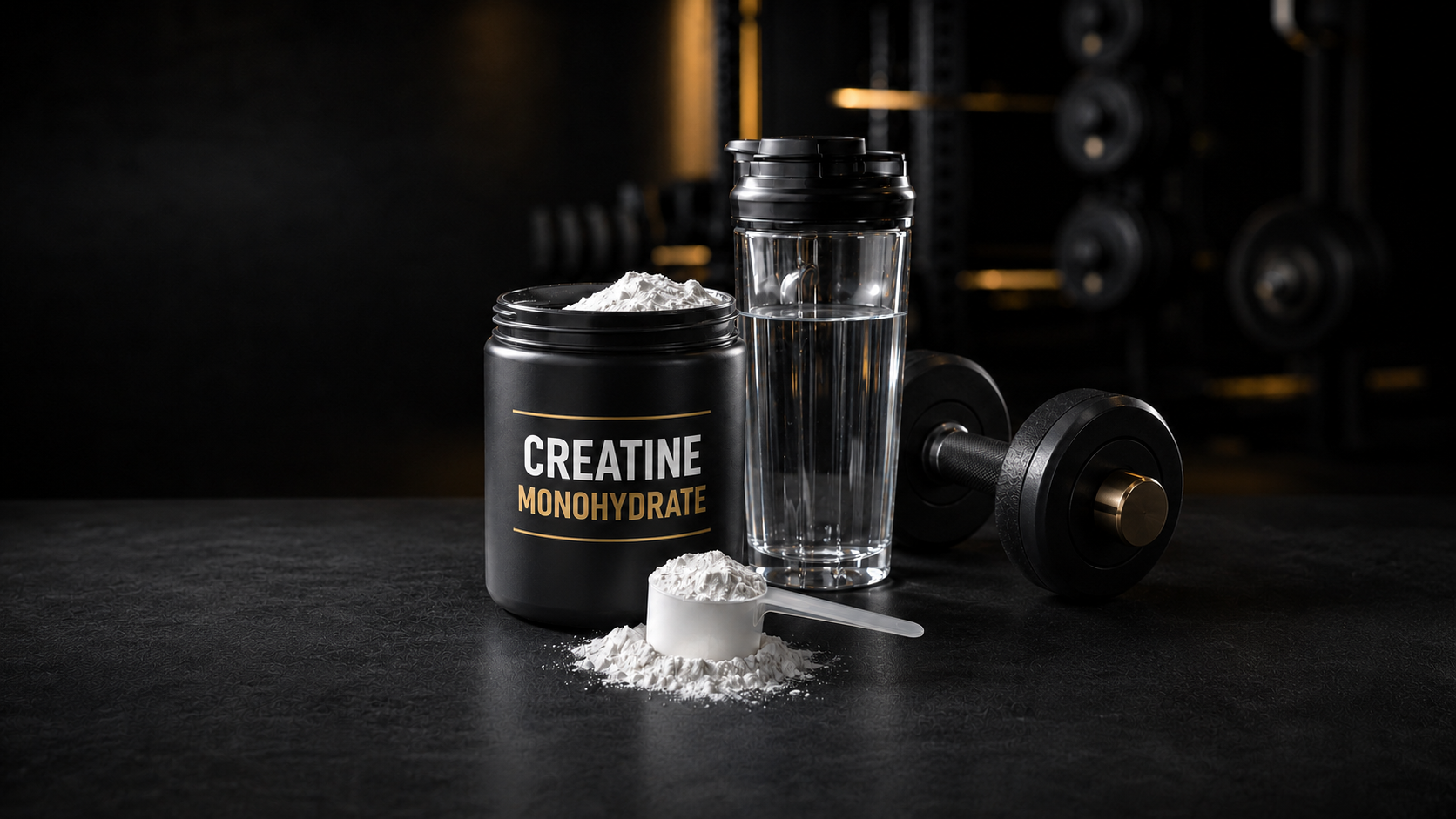
What Is Creatine and Does It Really Work?
Creatine is a naturally occurring compound that helps your muscles produce energy during short, high-intensity exercise. It is also one of the most extensively researched sports supplements.
What does creatine do?
Creatine increases the amount of phosphocreatine stored in your muscles, helping your body regenerate ATP more quickly. This may improve resistance-training performance and allow you to complete more high-quality training over time.
A 2024 meta-analysis found that combining creatine with resistance training can improve both upper and lower body strength gains. (1)
Does it support muscle growth?
Creatine does not build muscle by itself. However, it may support muscle growth by helping you train more effectively.
One meta-analysis found that adding creatine to resistance training produced an average of 1.14 kg more lean body mass than resistance training alone. Not all of this should be interpreted as new muscle because increased water stored inside the muscles may contribute to the result. (2)
How should you take it?
For most healthy adults:
Take 3–5 g of creatine monohydrate daily Continue taking it on rest days Take it at any convenient time A loading phase is optional, not necessary
Research has not established a meaningful advantage to taking creatine before rather than after training. Consistent daily intake matters more than timing. (3)
Does creatine cause water retention?
Creatine can increase the amount of water stored inside muscle cells, particularly during the first few weeks. This may cause a small increase on the scale, but it does not mean that you have gained body fat.
Is creatine harmful to the kidneys?
Current research does not indicate that recommended doses impair kidney function in healthy individuals. Creatine may cause a small increase in serum creatinine, but this alone does not necessarily indicate kidney damage. (4)
People with kidney disease, chronic medical conditions or regular medication use should consult a qualified healthcare professional before supplementation.
Which form is best?
Creatine monohydrate has the strongest scientific support and is generally the most affordable option. There is insufficient evidence that more expensive forms provide better results.
The bottom line
Creatine monohydrate is one of the most reliable supplements for supporting strength and muscle development. For most healthy adults, 3–5 g per day is sufficient but it cannot replace effective training, appropriate nutrition and adequate sleep.
References
1-Mills S, et al. Effects of Creatine Supplementation and Resistance Training on Muscle Strength Gains in Adults Under 50 Years of Age: A Systematic Review and Meta-Analysis. 2024. PubMed
2-Desai I, et al. The Effect of Creatine Supplementation on Resistance Training-Based Changes to Body Composition: A Systematic Review and Meta-Analysis. 2024. PubMed
3-Dinan NE, et al. Effects of Creatine Monohydrate Timing on Resistance Training Adaptations and Body Composition After Eight Weeks in Male and Female Collegiate Athletes. 2022. PubMed
4-Mondal H, et al. Effect of Creatine Supplementation on Kidney Function: A Systematic Review and Meta-Analysis. 2025. PubMed
This article is for general educational purposes and does not constitute medical advice.